LKW Walter Partners sits in a simple space: a full-truckload specialist that connects transport companies with steady work across Europe, supported by a digital workflow. It’s a cooperation setup built around predictable lanes, high load availability, and tools that keep ordering, documents, and communication under control.
LKW WALTER positions itself as a market-leading European transport organisation for full truck loads (FTL), stating that customers place more than 7,000 FTL orders daily and that the company handles over 1.7 million FTL per year.
Those volumes shape the partner offer: more options for routes, more backhaul potential, and more consistency when trucks need to stay utilised.
What LKW Walter Partners Means In Practice
LKW WALTER frames the partnership around “Together WE LOAD,” meaning a collaboration where carriers bring capacity and execution, while LKW WALTER brings freight volume, planning structure, and supporting services.
Most partner value claims point to practical outcomes:
- optimal utilisation,
- preferred routes,
- easier ordering, and
- a defined contact person.
Operationally, the offer is designed for transport companies that want to keep vehicles moving while reducing empty mileage.
That can mean continuous traffic between two countries, filling a missing return leg, or running tractor units locally in intermodal operations. The model fits both fleets that live on fixed lanes and fleets that manage mixed customer work and need reliable “gap-filler” freight.
The Three Cooperation Models
Each cooperation model serves a different fleet reality, so the best pick depends on how capacity gets planned and where profit leaks happen.
Round Trip
The round-trip model assumes trucks continually driving between two countries. Route choice sits with the carrier, which matters when drivers, permits, and customer expectations already align with specific corridors.
Continual employment is the core benefit, with the secondary win being better planning for fuel, staffing, and maintenance.
Empty mileage tends to be the hidden cost in cross-border work, and this model is presented as a way to keep returns optimised. Predictability also reduces admin friction, since lanes stay familiar and performance expectations become stable.
One Way
One-way cooperation targets carriers that already have export or import customers on one-way routes and need return loads to protect margins.
That structure is common in real life: one leg gets sold well, the other leg becomes a scramble. The LKW WALTER pitch is simple: fill the missing load quickly and keep utilisation high.
Access to a load selection via its exchange tools is positioned as the practical advantage here, especially when route decisions must be made fast, and truck availability changes daily.
Trailer Trucking In Combined Transport
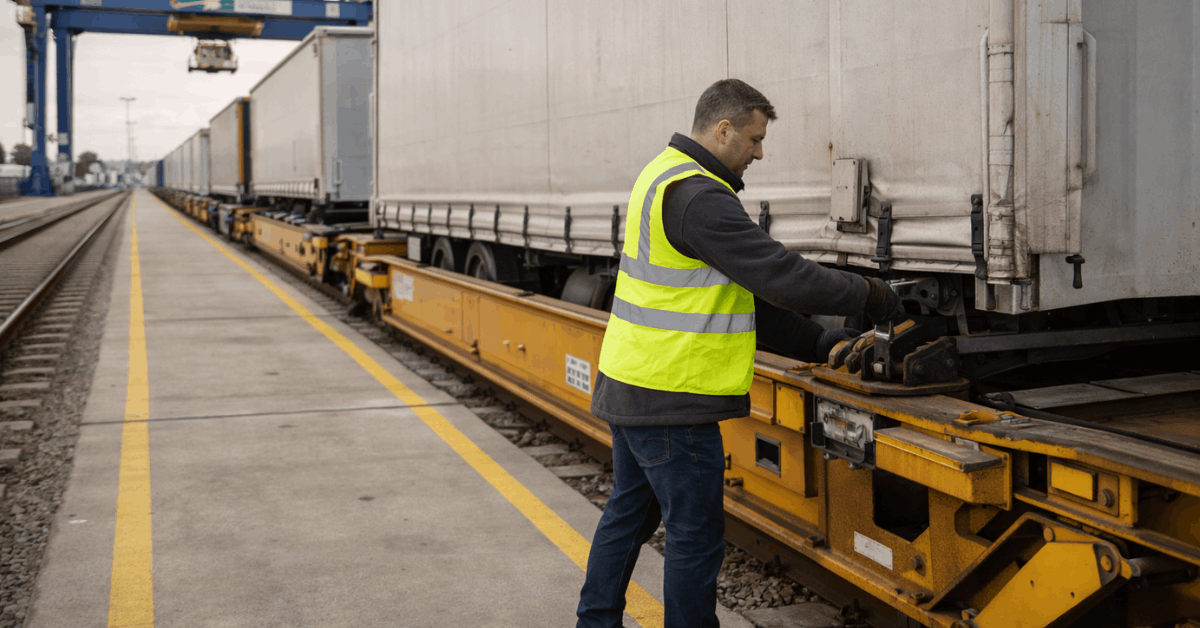
Trailer trucking is for fleets that want tractor units working locally, without needing to own trailers for the work. As a trucking partner, tractor units pull LKW WALTER cranable trailers between rail or ferry terminals and customer loading or unloading points.
This model is repeatedly described as “permanent use” for the tractor unit, which is a direct response to fleets that want steady local runs.
A bigger angle sits underneath: participation supports Combined Transport, meaning intermodal moves that shift long-distance legs to rail or ferry while trucks handle the terminal legs. That tends to improve planning around driving-time limits, reduce long motorway exposure, and help fleets align with shipper sustainability expectations.
Loads and Route Planning Across Europe
Europe-wide load access matters only if it translates into workable routing. LKW WALTER highlights an extensive network of available loads and points to route choice as a carrier-controlled factor.
That suggests a balance:
- high-volume freight availability,
- paired with carrier decisions on where the trucks actually run.
FTL work often feels cleaner than multi-drop distribution because handovers are fewer, and routing stays more direct. That can reduce warehouse delays and paperwork complexity compared with mixed LTL operations, although real-world outcomes still depend on customer sites, appointment discipline, and seasonal surges.
Volume claims are also central to trust. LKW WALTER states daily activity at “up to 7,000” full truck loads, which signals a large pool of opportunities across core logistics corridors. Company profile figures also frame stability, including family ownership and large annual FTL volumes.
Carrier Services That Support Daily Operations
Digital and service add-ons matter when they remove time sinks: searching, ordering, document handling, fuel admin, and unexpected breakdowns. LKW WALTER bundles these into a set of carrier-facing services.
Carrier Portal and Freight Access
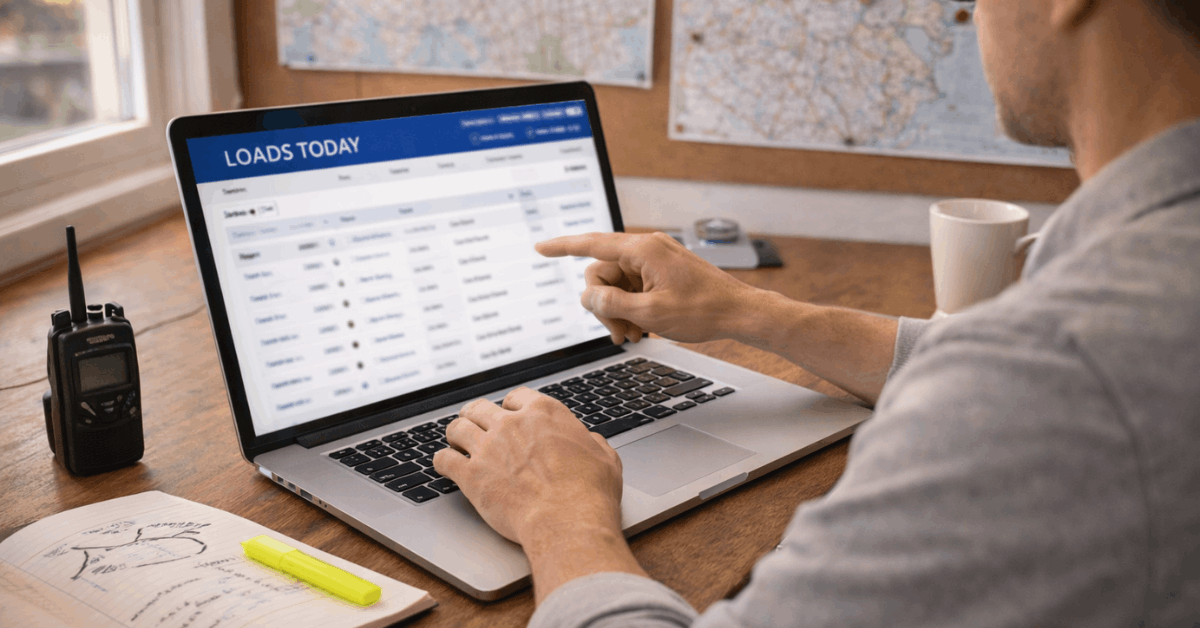
The carrier portal called LOADS TODAY is positioned as the hub for everyday carrier activity: transports, administration, and workflow in one place. A related tool, LOADS TODAY NOW, is described as a modern freight exchange that lets partners access load selections and purchase loads with a few clicks.
LKW WALTER also describes it as a verified freight exchange, which signals controlled access rather than an open marketplace.
Mobile access also shows up as part of the ecosystem, with LOADS TODAY promoted as a way to manage loads and activity on the go.
Fuel, Repairs, and Trailer Capacity
LKW WALTER promotes a fuel card offer for transport partners, focused on price benefits and easier administration. Repair and breakdown support sits under TRUCK BUDDY, described as a Europe-wide repair and maintenance service for trailers and tractor units, including breakdown service.
Trailer availability gets addressed through WALTER LEASING, described as a sister company offering leasing or hire purchase of new and used trailers.
That matters for fleets that want to expand capacity without large upfront capital pressure, or those that need to replace trailers while keeping cashflow stable.
Digital Onboarding and Required Documents
Speed to activation is a competitive advantage in freight cooperation, since idle capacity loses money fast.
LKW WALTER describes digital onboarding as fully online and among the fastest on the market, with the process flowing through requirement checks, document preparation, completion of onboarding, digital signature of cooperation guidelines, account activation, document review, and then cooperation start.
Required Documents
Document readiness controls how fast approval happens, so scans or clear photos matter. These items are stated as required for onboarding:
- Passport or ID card of the managing director
- CMR insurance policy with a minimum insured amount of EUR 100,000
- Operator’s licence or EU licence
Insurance guidance includes a stronger recommendation: at least EUR 250,000 per claim for better protection, plus inclusion of cabotage transports for broader cover. That recommendation should be aligned with the carrier’s risk profile and the insurer’s terms, since cabotage rules and coverage details can vary by country and policy wording.
Practical Fit Check For Your Fleet
Choosing the right model is less about marketing promises and more about how the fleet earns. Fixed-lane fleets often match the round-trip setup best, since planning and driver routines stay stable. Mixed-customer fleets usually benefit from one-way return loads that protect utilisation without rewriting the whole dispatch plan.
Local tractor-unit operations fit trailer trucking when terminal runs are viable and intermodal volumes stay consistent. Profit protection often comes from fewer empty kilometres, fewer deadhead surprises, and less admin time per order, assuming document discipline stays strong.
Another decision point is control preference. Fleets that want rapid spot-style buying inside a controlled environment may lean toward the freight exchange approach, while fleets that prefer predictable lane agreements may prioritise the longer-term cooperation feel.
Conclusion
LKW Walter Partners is built around high-volume FTL freight, route choice, and a cooperative structure that can keep trucks working consistently.
The three models cover common realities: fixed cross-border lanes, one-way customer work that needs returns, and local tractor operations tied to intermodal flow.
Strong tools and support services matter most when they reduce empty mileage, simplify ordering, and keep problems from stalling the week.