Subway Franchise Employment usually starts at the front counter and the prep line, where speed and consistency matter. Most locations hire for the Sandwich Artist™ role, then build skills through structured coaching and brand standards.
Independent franchise ownership means the process can differ store to store, yet core expectations stay recognizable across markets. Corporate training tools and local supervision work together, so daily habits match the brand customers expect.
Hiring decisions tend to favor reliability, service mindset, and clean execution under pressure. Prior food service experience helps, though many managers treat attitude and availability as bigger signals than a perfect resume.
What Subway Hiring Managers Look For
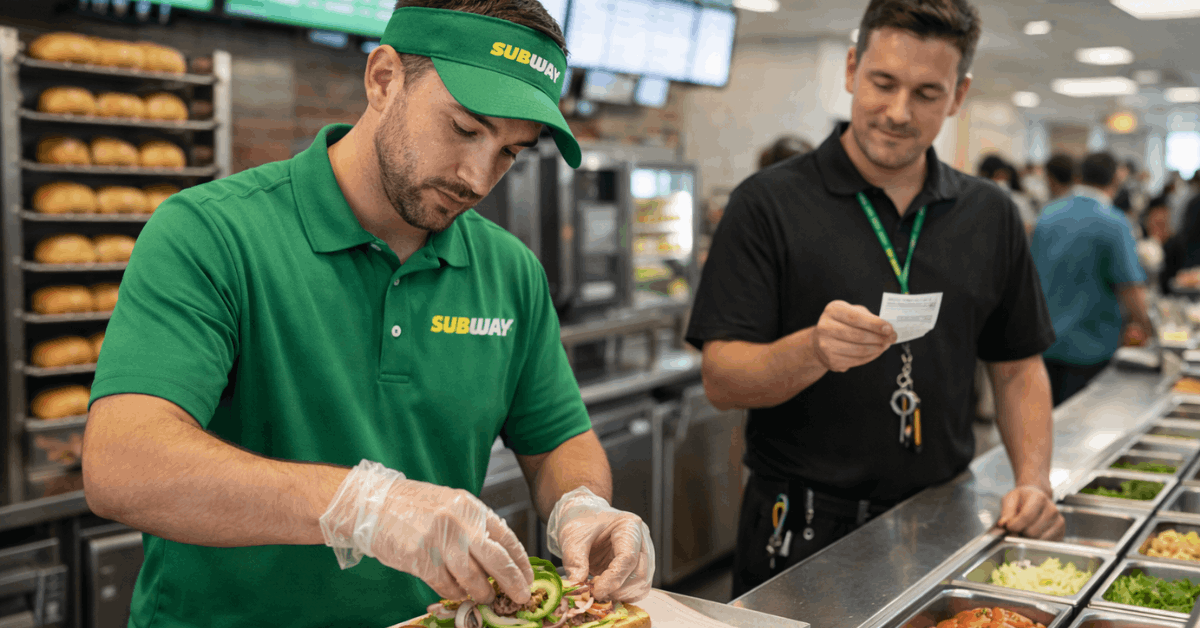
Customer service matters because the role stays public-facing. Clear speech, polite tone, and steady eye contact often carry more weight than flashy answers. Team fit matters too, since sandwich builds, POS work, and cleaning rotate quickly when lines form.
Strong Subway hiring expectations often show up as simple, repeatable behaviors during hiring:
- punctual communication,
- calm energy, and
- respect for process.
Stores run on routines, so a candidate who follows instructions well usually trains faster and makes fewer mistakes during rush periods.
Physical readiness also gets checked early. Job postings commonly describe standing and walking for an entire shift and occasional lifting, often up to 30 pounds, depending on the task and store setup.
Minimum age varies by country and local labor law, while many locations list 16+ for entry roles. Local rules can tighten limits for closing shifts, slicer use, or late hours, so managers usually confirm age and permitted hours during screening.
Role Expectations and Day-To-Day Responsibilities
A typical shift blends production, service, and sanitation. Sandwich builds follow set formulas for portioning, temperature control, and allergen awareness, then the pace spikes during lunch and dinner peaks. Cash handling and basic POS accuracy matter because wrong modifiers and mis-rings create waste and slow lines.
Role Flexibility
Cleaning is not “extra work,” it’s part of staying open. Wipe-downs, utensil swaps, and floor checks happen throughout the day, while deeper tasks land at open or close. That rhythm is why food safety and sanitation stays central to training and performance reviews.
Many stores also expect flexible station coverage. Register, line, prep, and dining area work often rotate, especially in smaller teams. Larger, high-volume sites may split tasks more strictly, but coverage still matters when someone calls out.
Growth Options
Growth options exist for consistent performers. A reliable closer who learns inventory counts and basic shift controls often becomes a trainer or keyholder. That progression is the backbone of the Subway shift leader path, which usually adds scheduling support, cash drops, and coaching newer hires.
Training Standards and The University Of Subway
Training usually blends online modules with floor time, then reinforces skills through repeat practice. Sandwich Artist training often starts with brand basics, menu builds, safety habits, and service standards, then moves into speed and accuracy under supervision.
University of Subway courses
The online side commonly runs through University of Subway courses, a learning platform franchisees use to assign modules and quizzes. The app description highlights global availability and multiple language options, which helps stores standardize training across regions.
Hands-On Coaching
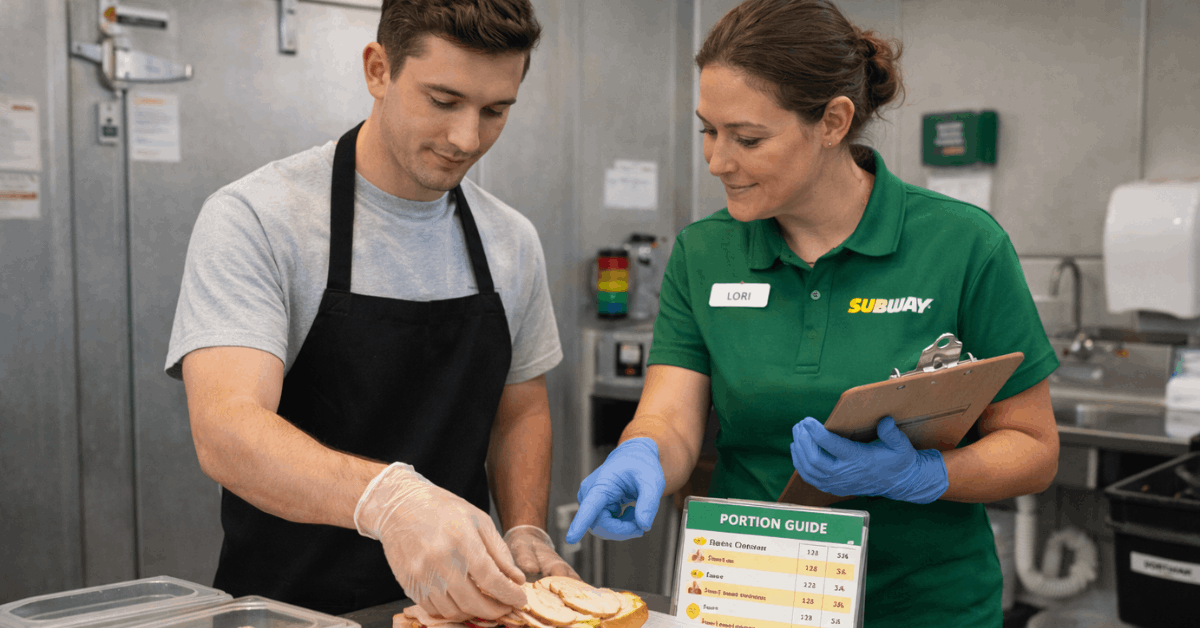
Hands-on coaching fills the gap between “knowing” and “doing.” New hires usually shadow a stronger team member, practice bread and protein setups, learn labeling, and get corrected on portion control and order flow. POS training typically follows once the menu language and add-ons feel familiar.
Some operators also require a proficiency checkpoint. Certain postings mention becoming PRO Certified within 30 days, meaning the employee demonstrates safe handling and correct builds at speed, often tied to internal checklists and manager sign-off.
Training topics tend to repeat until they stick:
- recipe accuracy and portioning
- cross-contamination control and allergen awareness
- safe holding temperatures and time controls
- register flow, modifiers, and refunds
- cleaning schedules and closing standards
Application and Interview Flow That Works
Consistency beats cleverness in fast-service hiring. A clean application, clear availability, and a calm explanation of past responsibilities usually land better than over-selling.
Subway Job Application Steps
A practical set of Subway job application steps looks like this:
- Search openings through official career pages or local listings tied to a franchise location.
- Apply online or ask in-store if paper applications are used locally.
- List realistic availability, including weekends if possible.
- Bring ID and any required work eligibility documents for the region.
- Prepare for a short interview that focuses on schedule, service mindset, and pace tolerance.
Interview questions often hit predictable themes: handling a line out the door, dealing with a wrong order, and keeping composure with a difficult guest. Answers that show steady problem-solving and respectful escalation to a manager tend to read as “trainable.”
Reference checks and basic background screening depend on local law and store policy. Cash handling roles may trigger stricter checks, especially in higher-risk locations.
Hiring and Training For Franchise Owners
Team hiring falls within a larger franchise system, so owner training is structured, too. Official franchise FAQs in several regions describe a required training course for new owners, plus on-site restaurant training and ongoing support.
The U.S. franchise FAQ describes a comprehensive three-week program that combines virtual training via the University of Subway and in-person training at certified restaurants.
That blend matters because owners need operational control, staffing basics, and systems knowledge before opening or taking over a store. This is often summarized as a Subway franchisee training program, even though exact schedules can vary by country.
Owner training typically covers:
- operations standards and food safety systems
- labor planning, scheduling, and onboarding routines
- inventory and purchasing workflows tied to approved supply systems
- local marketing expectations and community engagement
- financial basics like cost control and waste reduction
Hiring quality tends to improve when owners build simple scorecards: availability, service mindset, pace tolerance, and follow-through. Staff retention usually rises when early training feels organized, and feedback remains frequent.
Pay, Benefits, and Retention Realities
Wages vary widely by country, region, and local minimum wage rules, so exact hourly ranges can’t be universal. Job ads and franchise operators often compete on predictable scheduling, paid training, and eligibility for fast promotion rather than salary alone.
Benefits depend on franchise size and local employment rules. Some locations offer meal discounts, flexible scheduling, paid leave eligibility, or health coverage where required or competitive. Retention tends to improve when training milestones feel fair and the first two weeks include strong coaching, not random “figure it out” shifts.
Career growth usually becomes real once speed and accuracy stabilize. A strong performer often picks up training duties, shift cash handling, and inventory checks, then gets considered for assistant manager responsibilities.
Last Thoughts
Subway Franchise Employment tends to go smoothly when expectations stay clear, and habits stay consistent. Hiring managers usually want someone reliable, calm with customers, and willing to follow the build standards the same way every shift.
Strong training systems like University of Subway help, yet day-to-day coaching and personal discipline decide how fast skills stick.
Keep availability realistic, take food safety and cleaning seriously, and aim for steady improvement in speed and accuracy, because that’s what usually turns an entry role into a shift leader path.