The Advanzia Gold Card is often promoted under the name gebührenfrei Mastercard GOLD, and the headline benefit is simple: no annual fee, no foreign exchange fee, plus a generous purchase grace period if repayment stays disciplined.
The part that trips people up is the payment flow. Manual transfers, a fixed monthly due date, and a high revolving APR mean the card can feel “free” or expensive, depending on habits.
Payment terms also vary slightly by country program and contract version, so current conditions in the card documents matter. Official materials still frame the product as fee-light, while the real cost center sits in interest if the statement is not cleared in full.
What The Advanzia Gold Card Is, In Plain Terms
A revolving credit card works like a credit line that resets as repayment happens. Purchases can be carried past the statement date, then paid later in full or in part. The “free” positioning typically refers to annual fees and FX fees, not borrowing costs.
Two product realities sit side by side:
- Purchases can be interest-free for weeks when the statement balance is paid by the due date.
- Cash withdrawals and revolving balances can become expensive fast because interest starts early and rates are high.
The brand name gebührenfrei Mastercard Gold shows up often in German-speaking markets, and it signals the no-fee framing rather than “no interest.” The card still functions as a revolving credit, so repayment behavior decides the real price of using it.
Billing Cycle And Due Dates
Timing is the core of winning with this card. The card’s cycle and due date create the interest-free window for purchases, but the window closes quickly after the statement is issued.
A commonly described schedule runs like this: the billing cycle starts on the 3rd of a month and ends on the 2nd of the next month. A statement usually follows right after the cycle closes. Cardholders often receive the statement email around the 3rd. That detail matters because it starts the countdown to the due date.
Many guides describe the payment deadline on the 20th of the same month the statement arrives. That gap between statement day and due date is short, so reminders help.
The Interest-Free Period, And What “Up To 7 Weeks” Means
The “up to 7 weeks” benefit is real for purchases, but it depends on when the purchase happens inside the cycle. A purchase made early in the cycle can sit for longer before the due date arrives. A purchase made right before the cycle closes gets fewer days.
The phrase up to 7 weeks interest-free applies to card purchases when the full statement balance is paid by the due date. Interest-free treatment usually does not apply to cash-like transactions.
Revolving Interest: The Cost Of Paying Less Than The Full Statement
Partial repayment keeps flexibility, but it turns the card into a high-rate loan. Reported pricing in recent public-facing materials places the effective annual rate around the mid-20% range, and monthly interest figures are often shown around the high 1% range.
A typical revolving credit interest rate cited for this product is around 24.69% p.a., as shown in examples published for July 2024, which aligns with a monthly rate of around 1.86%. Exact rates can change, so the price list and contract version should be treated as the final word.
Revolving programs usually require a minimum each month. A commonly referenced threshold is the minimum payment 3% or 30 EUR (whichever rule applies in the contract). Paying only the minimum prevents immediate delinquency, but interest continues on the remaining balance.
Cash Withdrawals And Transfers: Interest Starts Immediately
Cash withdrawals often look “free” because the card may not charge a direct cash withdrawal fee. The hidden cost is timing: interest generally starts on the transaction date, not after the statement.
Practical implications:
- Cash withdrawals tend to be the most expensive way to use the line.
- A cash withdrawal made early in the month can accrue interest for a long stretch before repayment is even possible through the normal statement rhythm.
How To Pay: Manual Transfer, No Autopilot
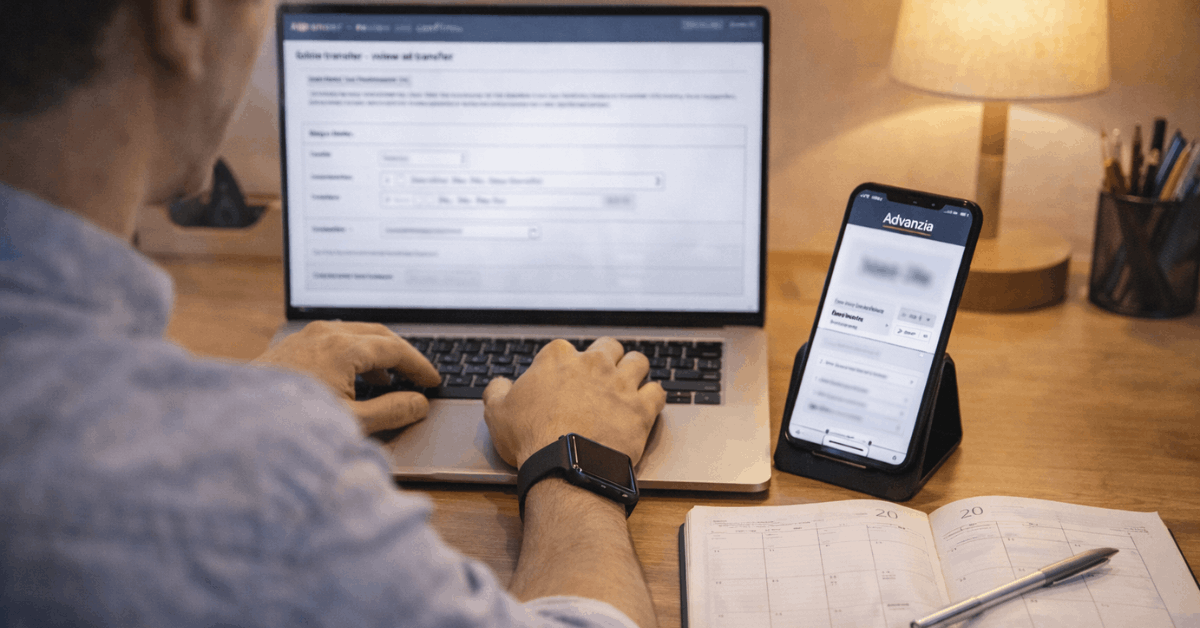
A common operational detail is the lack of automatic direct debit. Payment is typically made by bank transfer to an IBAN shown on the statement. That design keeps flexibility but increases the chance of forgetting.
The most important habit is simple: a manual bank transfer is required each month, even when the balance is small. A calendar reminder two working days before the due date helps reduce late fees, interest, or account restrictions.
Another constraint appears in user-facing guidance: overpaying to keep a positive “credit balance” is often discouraged or restricted, so planning regular transfers works better than trying to pre-load the account.
Fees That Still Exist, Even When Annual Fees Do Not
“No annual fee” does not mean “no fees.” A few fee types appear in program descriptions:
- Late payment consequences can include suspension if the minimum is missed.
- A limit-exceeding fee may apply under specific conditions, such as exceeding the limit by more than a small tolerance at statement time.
- ATM operators can still charge their own fees in some locations, separate from the card issuer.
- Exact fee triggers vary by country program and contract wording, so statement inserts and terms should be checked for the local version.
Credit Limit: Low Starts, Then Gradual Increases
Initial limits are often conservative, especially for new-to-country applicants. Many cardholders report starting limits in the low hundreds to low thousands of euros, then increasing after consistent repayment.
Credit limit decisions may use credit bureau checks where applicable. Germany-specific onboarding often references SCHUFA-based assessment in public discussions of eligibility, which matches the general approach used across German lending.
Eligibility And Where The Card Is Actually “Worldwide”
Global audience interest usually comes from the card’s international usage perks. Availability, though, is often tied to residency in specific countries for the direct-to-consumer product, especially Germany and a few nearby markets.
Advanzia itself positions the bank as Luxembourg-based with wider European operations and partnerships, but the consumer application rules remain country-scoped.

Optional Payment Protection Insurance: What It Tries To Solve
Some programs offer payment protection insurance that covers defined hardship events, such as incapacity for work, unemployment in certain employment categories, serious illness, or death. Pricing is often expressed as a percentage of the outstanding balance for the billing period.
Insurance terms can be restrictive, so the policy conditions matter more than the headline coverage. Cancellation windows and eligibility definitions also deserve attention, especially for self-employed applicants.
Common Mistakes That Create Interest Fast
Mistakes usually come from timing, not from spending.
- Relying on memory instead of reminders: Manual payment systems punish forgetfulness.
- Using the card for cash withdrawals: Interest often starts immediately and can rack up faster than expected.
- Paying the minimum as a default: Minimum payments keep the account current, while interest keeps accumulating.
- Missing the statement email: Spam filters and changed email addresses cause accidental late payment scenarios.
Last Thoughts
Advanzia’s gebührenfrei Mastercard Gold works best when it’s treated as a fee-light travel and everyday purchase card, not a borrowing tool.
Value shows up when purchases land inside the cycle, the statement gets noticed, and the full balance clears by the 20th through a manual transfer. Miss that rhythm, rely on minimum payments, or pull cash, and the same “free” card starts behaving like a high-rate loan fast.
Keep the setup simple: watch for the statement email around the 3rd, calendar the due date, and use the interest-free window on purpose.
Disclaimer
This site provides general information on credit cards and payment products, not financial, legal, or tax advice; always verify rates, fees, and terms with the issuing bank before applying.