
ASDA Finance, often branded as Asda Money, sits in a familiar place for UK supermarket shoppers: everyday credit with a loyalty angle. The core offer links card spending to the Asda Rewards ecosystem, so regular Asda spend can turn into voucher-style savings.
Outside the UK, this brand still gets searched a lot, so context matters: the products are UK-issued, UK-regulated, and built around UK eligibility rules.
ASDA Finance credit cards are issued by Jaja Finance and run on the Visa network, while Asda acts as a credit broker. Terms and pricing can shift, so attention belongs on the latest summary box and the agreement shown during application, not old promo screenshots.
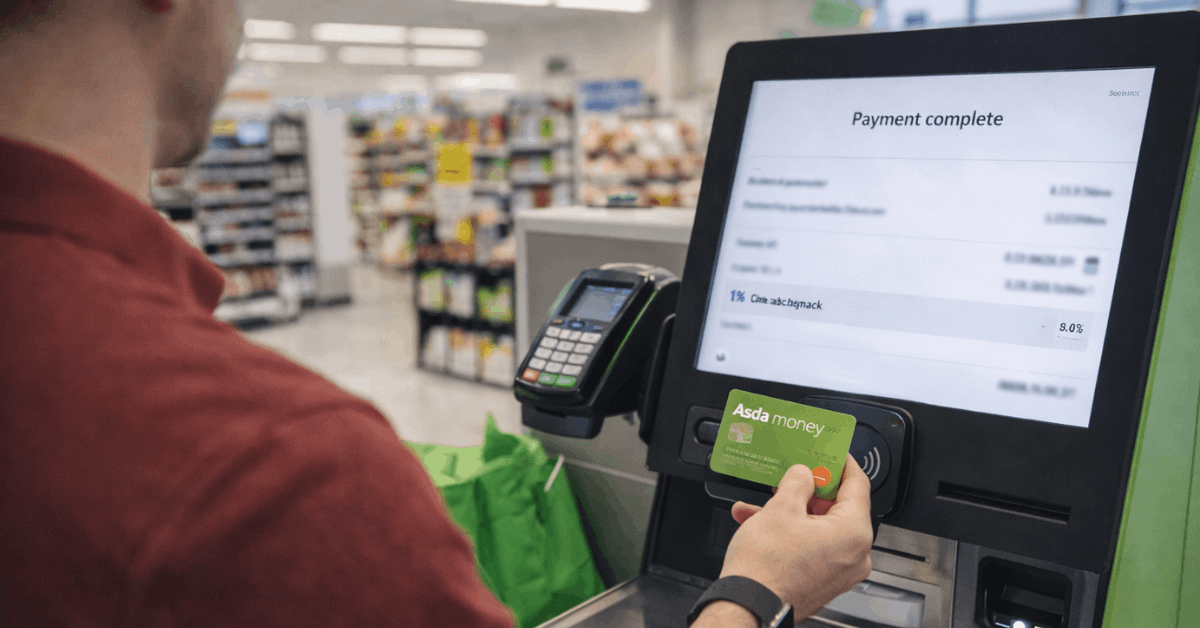
What ASDA Finance Covers
A single “Asda Money” label covers several product lines, yet the shopper conversation usually centers on the card. The main option is the Asda Money Credit Card, designed for everyday spending and rewards.
A second option exists for people building credit history, sometimes positioned as a starter route with a higher APR.
Beyond cards, ASDA Finance also promotes unsecured loans, car finance (commonly Hire Purchase structures), and insurance products such as travel, pet, home, and breakdown cover. Availability and underwriting depend on the specific partner behind each line, plus the applicant’s profile.
Shopper Rewards That Matter Day To Day
Rewards sound simple on paper, but the small rules decide real value. The card’s hook is cashback paid as Asda Pounds, then moved into the rewards wallet for redemption against shopping.
Asda Pounds Cashpot works like a holding area inside the rewards app. Cashback earned on the credit card can be transferred in, then converted into vouchers for use at checkout. Deadlines matter, since loyalty value disappears when expiry rules get ignored.
Earning rates typically follow two tiers:
- 1% back on eligible Asda spending categories, such as groceries and fuel
- 0.3% back on non-Asda spending
Recent coverage and program updates show that earning rates and mechanics can change over time, so the safest habit is checking the current reward terms inside the app and the card’s current product page before relying on a specific percentage.
Rates, Fees, and The Parts People Miss
No annual fee makes the card feel cheaper than it can be. Interest and transaction fees are where costs show up. Many articles still quote older representative rates like 22.9% or 25.9% APR (variable). More recent product listings and summaries have shown higher representative examples for some applicants.
That gap usually reflects product updates over time, plus the reality that representative examples can change without warning. Treat the representative APR shown at application as the deciding number, not the one seen in an older guide.
A few charges tend to appear consistently across UK credit cards of this type:
- cash advance handling fee often priced as a percentage, with a minimum charge
- non-sterling transaction fee for foreign-currency spending
- late payment and over-limit fees, usually fixed amounts
The cleanest way to avoid most costs is boring but effective: pay the statement balance in full and avoid cash withdrawals on the card. Cash withdrawals can trigger fees immediately, and interest can start straight away, depending on the agreement.
Using The Card Abroad Without Unpleasant Surprises
Holiday use is possible, but the fee structure makes it easy to overspend without noticing. A foreign transaction fee means every overseas purchase costs more than the sticker price, even before exchange-rate movement.
Visa sets the exchange rate used for conversion on the processing date, then the card’s foreign usage fee is added on top if the agreement includes one. Cash withdrawals overseas can stack costs: the foreign usage fee, the cash fee, plus any ATM operator charge.
Travel spending works best when the plan is simple:
- Keep an overseas card for purchases rather than cash
- Set app alerts to watch transactions quickly
- Avoid dynamic currency conversion at checkout when offered, since it can add extra markup
People who travel frequently sometimes prefer a separate travel-focused payment method for foreign spend, while keeping the supermarket card for UK shopping rewards. That split keeps rewards predictable and fees easier to control.
Credit Agreement Basics and Cooling-Off Rules
Credit cards are regulated credit agreements in the UK, so consumer rights matter. A common misunderstanding shows up in casual summaries: “30-day cooling-off.” UK guidance typically treats this as a two-step right.
A withdrawal right usually lasts 14 days from signing the agreement, based on widely cited UK consumer guidance.
After giving notice to withdraw, repayment of any amount already borrowed is often allowed within 30 days. That second window is where “30 days” tends to get repeated, even though the withdrawal notice period is shorter.
Terms
Terms also spell out how interest-free purchasing works. A typical structure is an interest-free period on purchases when the statement balance is paid in full by the due date.
Miss that full payment and purchase interest can apply, sometimes backdated, depending on the agreement wording.
Rewards rules
Rewards rules also sit inside terms rather than marketing copy. Several reputable UK consumer sources have noted that cashback can expire if the card goes unused for a long period, and rewards inside the app can also expire if left unredeemed.
That makes a practical routine important: transfer earned cashback into the rewards wallet, then convert it into vouchers and use them within the program’s deadlines.
The Credit Builder Option and Who It Fits
A second product is often marketed as a starter or builder route, sometimes called the credit builder card in plain language. The key difference is cost: representative APR is commonly higher than the main card, while the rewards structure can look similar.
This type of card suits a specific goal: building repayment history through low, controlled spending paid off on time. It rarely suits long-term borrowing. Carrying a balance at a high APR can wipe out cashback quickly, even when grocery spend is frequent.
A smart usage pattern keeps the balance small, pays in full, and uses the account for consistent on-time payments rather than financing purchases.

Applying, Eligibility, and Account Management
Eligibility rules are UK-specific. Typical requirements include UK residency and being 18 or older, along with standard credit and affordability checks.
A soft eligibility check is often offered first. That matters because it can show the likelihood of acceptance without leaving the same footprint as a full application search.
Application steps tend to follow a familiar flow:
- Run the eligibility check and review the representative example offered.
- Confirm personal details, address history, income, and commitments.
- Review the agreement, fees, and key terms, then submit.
Manage the account through the Asda Rewards app and the card app features, such as spending alerts, card freeze, and payments.
Digital management is a real advantage when used properly. Real-time alerts help spot fraud faster, while direct debit setup reduces missed payments, which is where fees and credit file damage can start.
Other ASDA Finance Products Worth Noting
Cards get the attention, though the wider menu exists:
- personal loans, usually unsecured, are often promoted with an eligibility check first
- car finance via Hire Purchase structures, leading to ownership at the end after all payments
- insurance lines such as travel, pet, home, and breakdown cover
Each line can involve different underwriting rules and cancellation rights, so terms should be read per product rather than assuming the card rules apply to everything.
Last Thoughts
ASDA Finance makes the most sense for shoppers who already use Asda regularly and can repay balances in full. Cashback can feel meaningful when weekly spend is consistent, and rewards are redeemed on time.
Costs climb fast when the card becomes a borrowing tool, when cash withdrawals happen, or when overseas fees stack quietly on travel spend.
Strong value comes from disciplined habits: small, planned spending, full repayment, and active use of the apps to track rewards and deadlines.
Disclaimer
This site provides general information on credit cards and payment products, not financial, legal, or tax advice; always verify rates, fees, and terms with the issuing bank before applying.